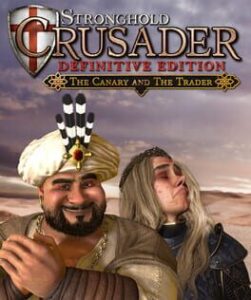
Stronghold Crusader: Definitive Edition – The Canary & The Trader
Stronghold Crusader: Definitive Edition’s first DLC, The Canary & The Trader, expands the base game […]
Gry strategiczne czasu rzeczywistego (RTS, Real-time strategy) to podgatunek gier strategicznych, w których rozgrywka nie jest podzielona na tury, lecz przebiega płynnie, a wszyscy gracze działają jednocześnie. W odróżnieniu od gier turowych, RTS wymaga szybkiego podejmowania decyzji, zarządzania zasobami i sprawnej kontroli wielu jednostek. Z uwagi na to często zawierają mechanizm aktywnej pauzy, który umożliwia wykonywanie części działań bez upływu czasu. Termin „real-time strategy” ukuł Brett Sperry, promując Dune II w latach 90.
Stronghold Crusader: Definitive Edition’s first DLC, The Canary & The Trader, expands the base game […]
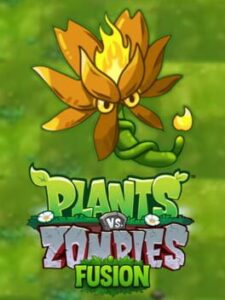
Plants vs. Zombies Fusion is a fan-made game based on the original Plants vs. Zombies […]
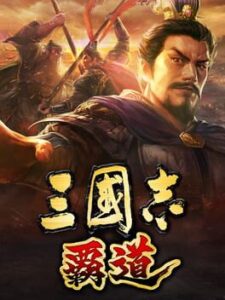
Romance of the Three Kingdoms Hadou is a strategy simulation game in which a cast […]
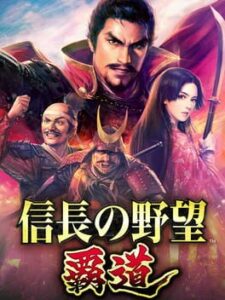
„Nobunaga’s Ambition: Hadou” is the latest in the „Hadou” series. It faithfully portrays the battles […]
Call me Mongol! Some time ago, I ventured into Agrippa’s perilous realm to claim the […]
Jump right in! Immerse and unwind in only three minutes, or make a clutch comeback […]
Blood for the Throne is a tactical war strategy game with auto-battler combat and RPG […]
Royal Rampage is a real-time player-versus-player strategy game where players assemble teams of warriors and […]
The Harbinger expansion features the much anticipated 4th playable faction to Sins of a Solar […]
The first playable campaign for Sins of a Solar Empire, relating the histories of each […]
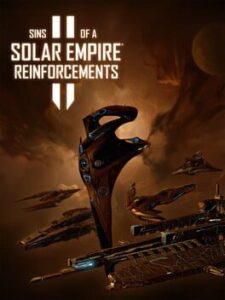
Deploy six new command-class warships and customize your game with factional victory conditions with the […]
Prepare for new challenges with Paths to Power, the first DLC for Sins of a […]
Za wczesnych poprzedników gatunku uważa się m.in. Utopia, Cytron Masters, The Ancient Art of War czy Herzog Zwei. To jednak Dune II studia Westwood wyznaczyło wzór współczesnego RTS – z systemem zasobów, budową bazy i sterowaniem myszką.
W połowie lat 90. gatunek rozkwitł. Warcraft: Orcs & Humans i Command & Conquer rozszerzyły mechaniki o narrację i tryb wieloosobowy. Total Annihilation wprowadziło pełne 3D, a Age of Empires połączyło RTS z historią i cywilizacyjnym rozwojem. W 1998 roku StarCraft ustanowił wzorzec e-sportowy, którego scena (szczególnie w Korei Południowej) trwa do dziś.
Na przełomie wieków RTS-y przeszły transformację do pełnego 3D (Homeworld, Warcraft III: Reign of Chaos, Age of Mythology), a część gier eksperymentowała z hybrydami, np. Battlezone (RTS+FPS). Z czasem wyodrębnił się gatunek gier taktyki czasu rzeczywistego (RTT), ograniczający ekonomię na rzecz walki (Ground Control, Company of Heroes). Z map Warcraft III wyrosły gry MOBA (DotA, później League of Legends), które zdominowały rynek online.
Od 2010 roku RTS-y szukają nowych form: uproszczone warianty mobilne (Clash of Clans), produkcje indie odwołujące się do nostalgii (Rusted Warfare), a także klasyczne serie w nowych odsłonach (Halo Wars 2, Company of Heroes 3). Choć gatunek nie ma już dawnej dominacji, pozostaje ważny, inspirując nowe formy gier strategicznych i zachowując wierną społeczność.